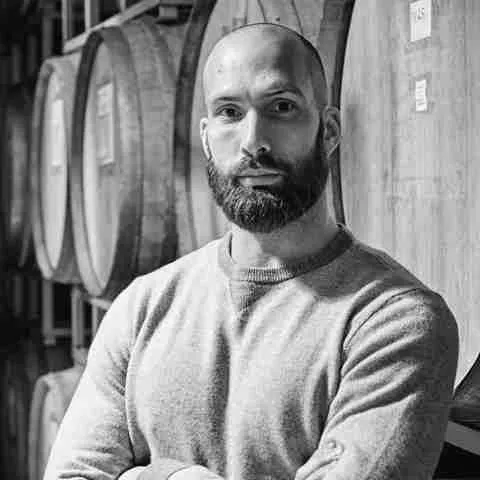
The Fidora Family: From Ferruccio to Lorenzo, Since 1927
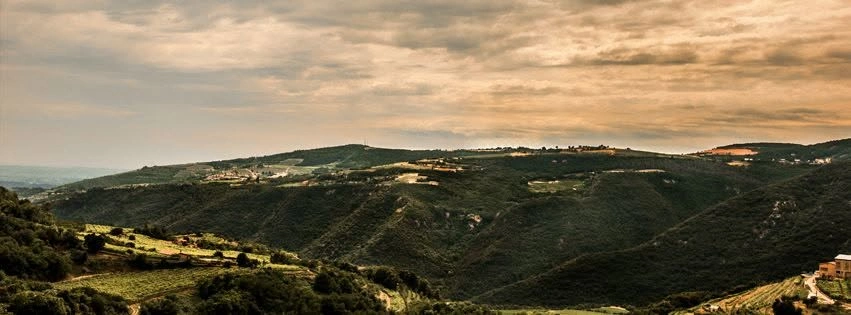
In 1927, Ferruccio Fidora purchased the Civranetta estate — land with roots in 16th-century Benedictine reclamation — in the Venetian hinterland. When his son Guido took over the business, he brought an unusual background to it: Guido’s first university degree was in psychology, and he returned to study agriculture before formally taking the helm of the family estate.
What Guido did next is the real turning point in Fidora’s story. In 1974, at a time when the prevailing agricultural trend across Italy and much of Europe favored maximizing production — monoculture, cutting trees, eliminating ditches and hedgerows — Guido made a deliberate choice against that current. He stopped using insecticides, herbicides, and chemical fertilizers, maintained crop rotation and livestock breeding partly for their manure, and preserved the estate’s biodiversity by planting linear hedges between the fields. This made him one of Italy’s first organic wine pioneers, roughly two decades before organic certification became a recognizable category to consumers.
Today, Guido’s son Lorenzo continues that legacy, having expanded the family’s organic philosophy into full biodynamic certification across all of Fidora’s estates — a four-generation arc from one man buying a single piece of reclaimed land in 1927 to a biodynamic-certified wine producer recognized across Valpolicella and Valdobbiadene today.