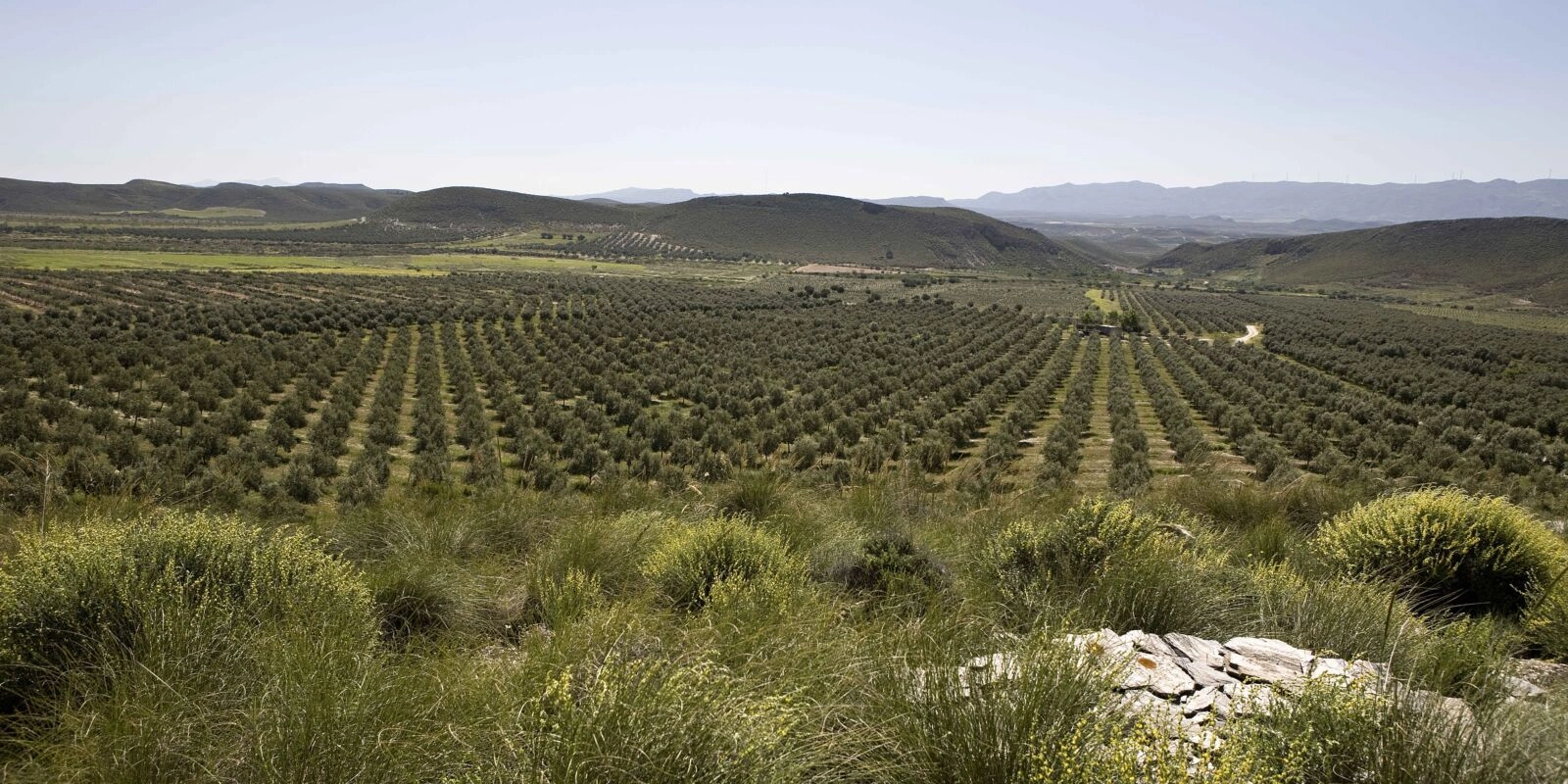
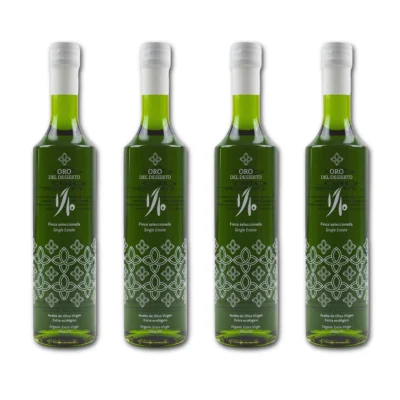
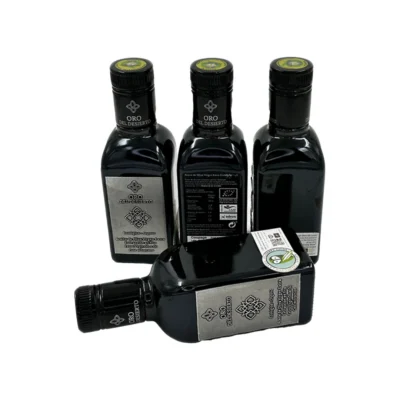
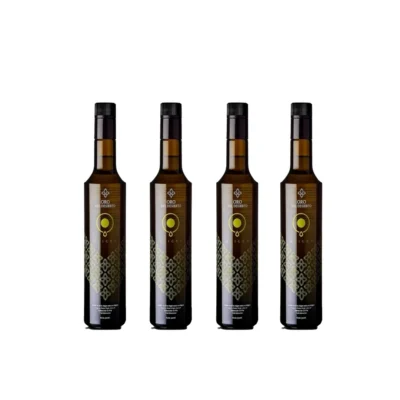
Before the olive grove, the Alonso family’s land supported dryland cereal, extensive sheep and goat farming, almonds, and capers — the estate’s usual rural mix for generations. It was Rafael’s return to agriculture in 1995 that changed the family’s direction. Rafael himself was a self-taught entrepreneur from an early age, having started a modest but successful hospitality business in the late 1970s, and it was the stability from that first venture that let him reinvest in the family land. As he’s put it himself, his grandfather’s grandfather’s Lechín olive trees still produce olives on the estate today — a direct, living link between the seven generations of family history and the modern brand. Planting new organic olive trees at a time when organic farming was rare in the region wasn’t a popular decision locally, but the family backed their own judgment; the estate now counts more than 26,000 olive trees across three named fincas — El Vicario, Sierra Bermeja, and Cortijillo de las Pencas — and every harvest worker comes from the nearby village of Tabernas itself.
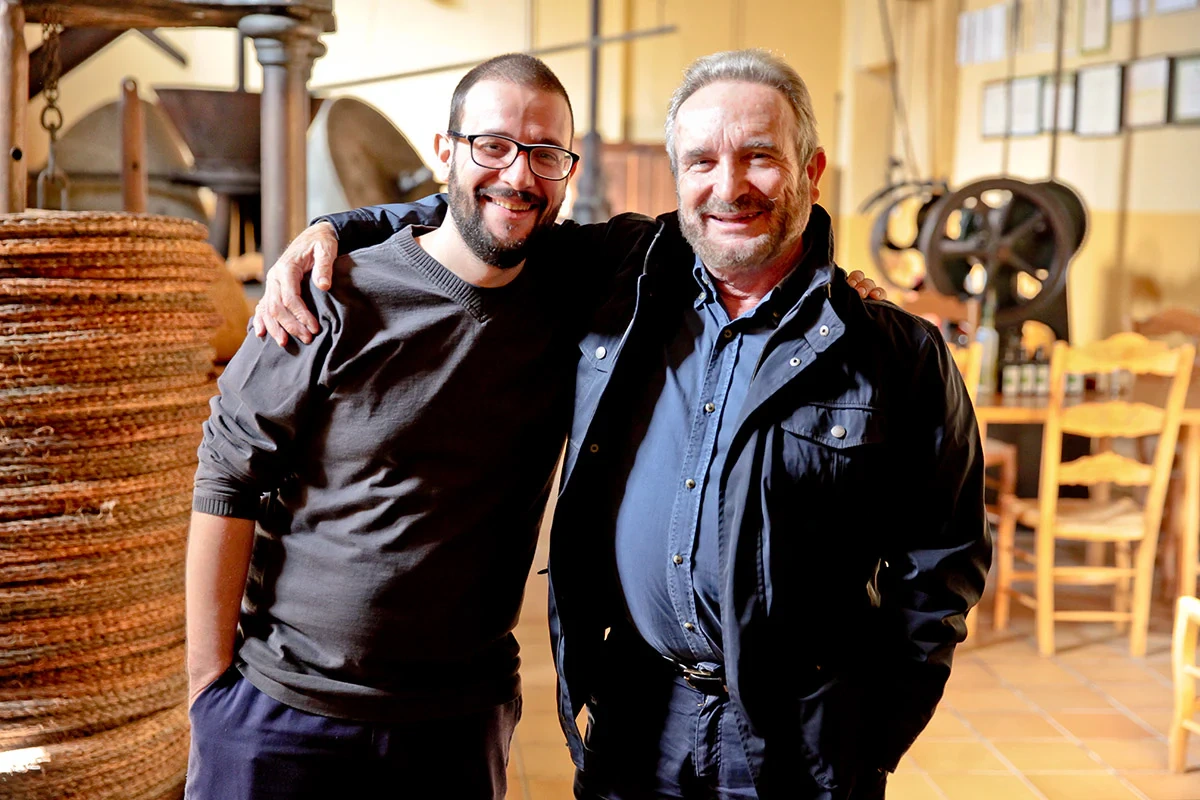
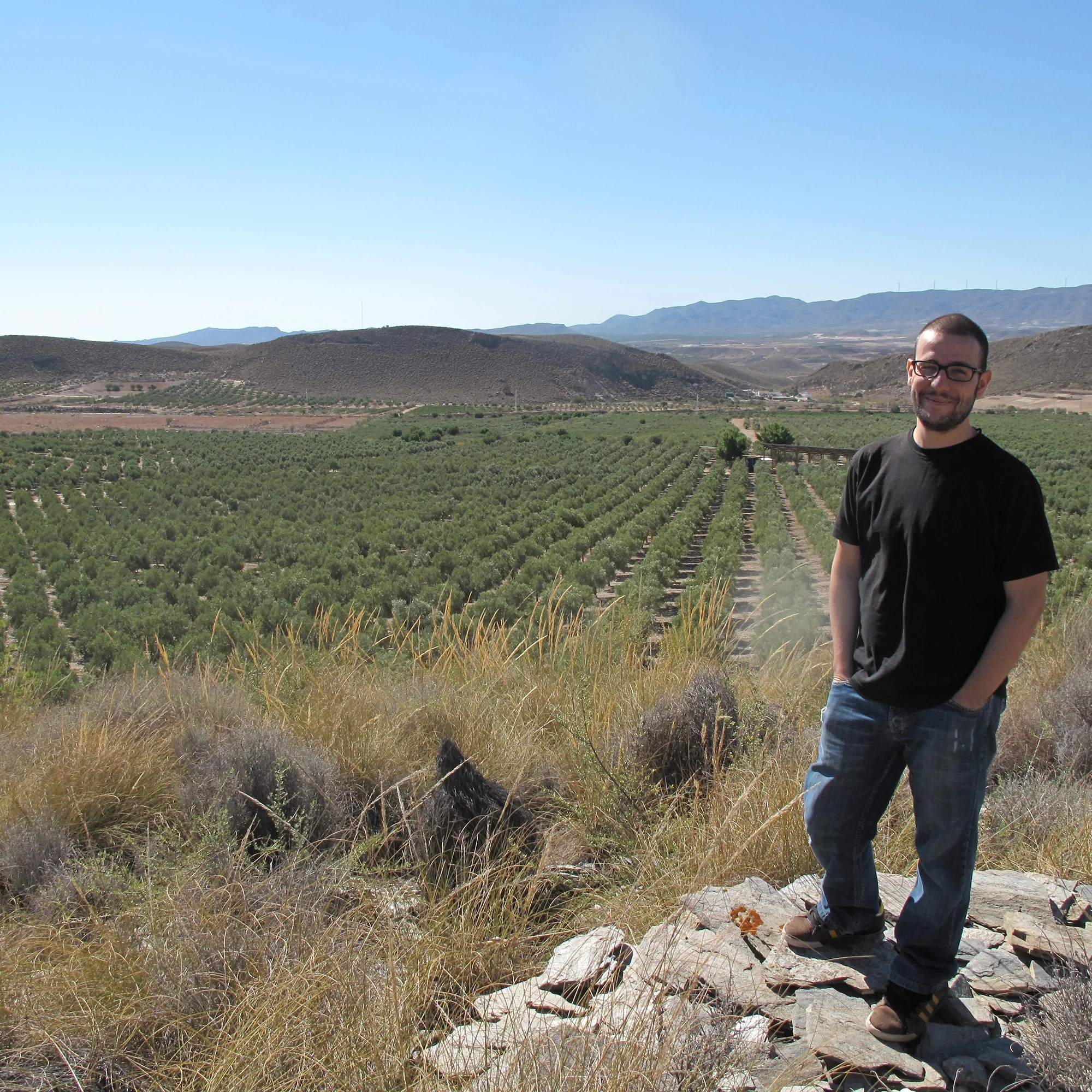
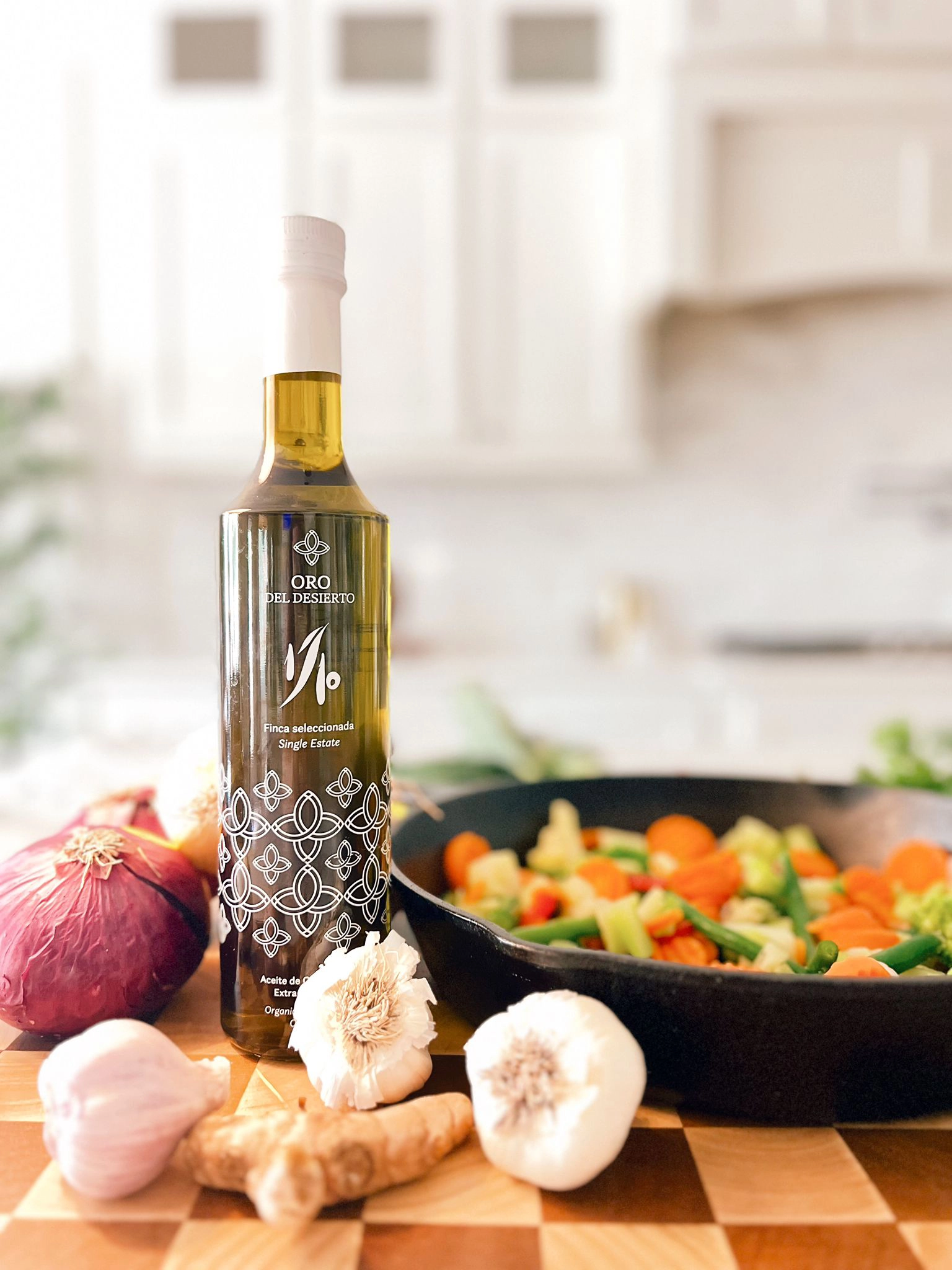
The business is now run day-to-day by Rafael alongside his wife, Carmen Barrau, and their two sons: Rafa Alonso Barrau, who leads commercial direction and export, and Juan José (Juanjo) Alonso Barrau, who works as maestro in the mill itself. That’s the third generation of olive producers specifically (following the seventh generation of the family’s broader independent farming history), and it’s this generation that has taken Oro del Desierto’s oil to more than 30 countries worldwide — a family business in the fullest sense, with five family members and seven additional employees keeping the whole operation running.