
The History and Significance of Greek Honey
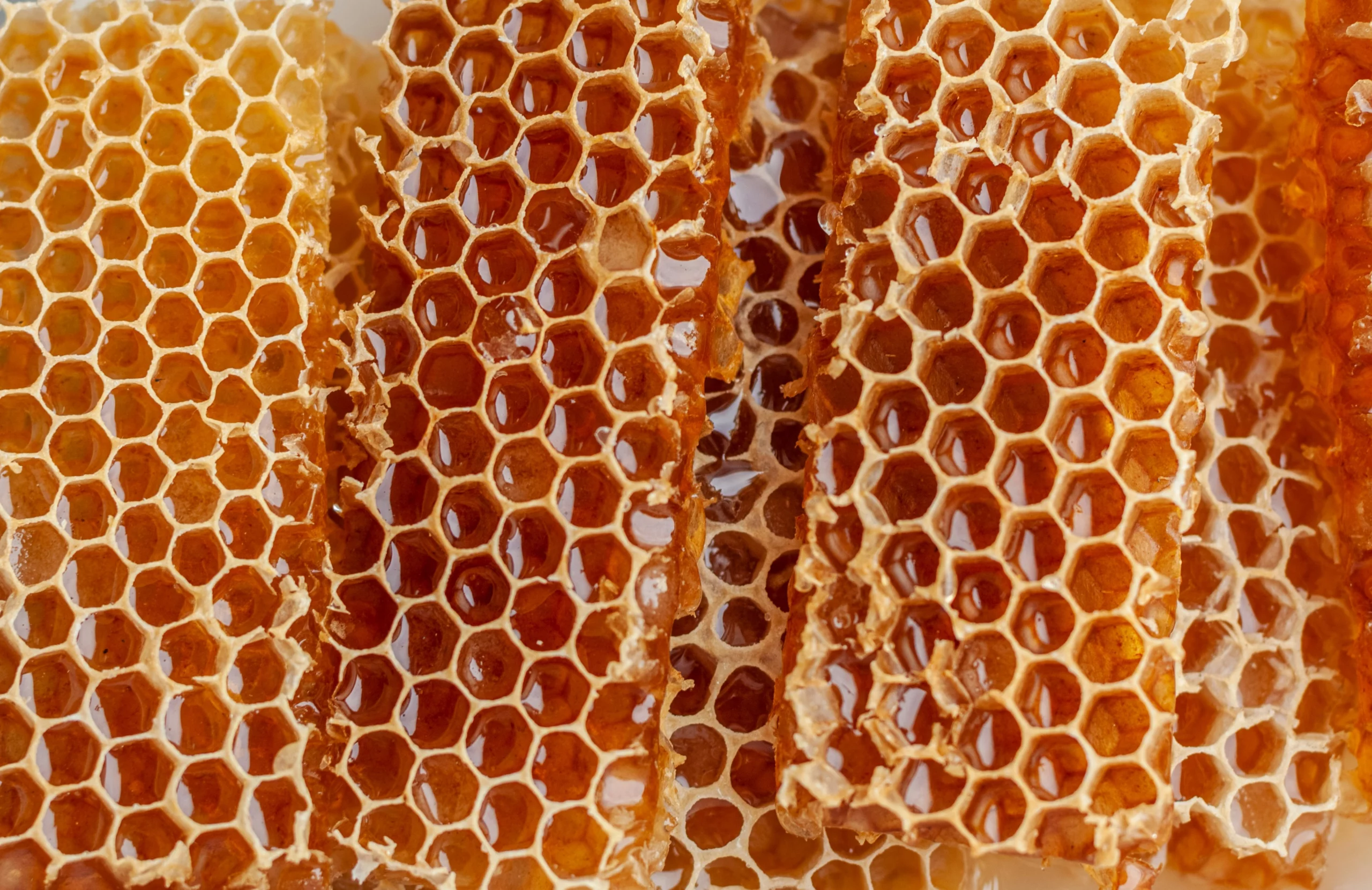
Greek organic raw honey carries a legacy that stretches back thousands of years, intertwining with the culture, mythology, and daily life of ancient Greece. Archaeological evidence reveals that beekeeping in Greece dates back to as early as 3400 BC, with ancient hives discovered in regions that remain synonymous with honey production today.
In ancient Greek mythology, honey was regarded as a divine gift from the gods. It was believed to be the food of the gods, offering vitality and immortality.
Greek Honey Today: A Tradition of Excellence
The significance of honey remains deeply rooted in Greek culture. Greece’s diverse flora, abundant sunshine, and mountainous terrain create the perfect environment for bees to thrive. The country is home to a wide variety of honey-producing regions, each influenced by the unique terroir of its local landscape. From thyme-scented honey from the islands to pine honey from the forests, Greek honey reflects the richness and biodiversity of its origin.
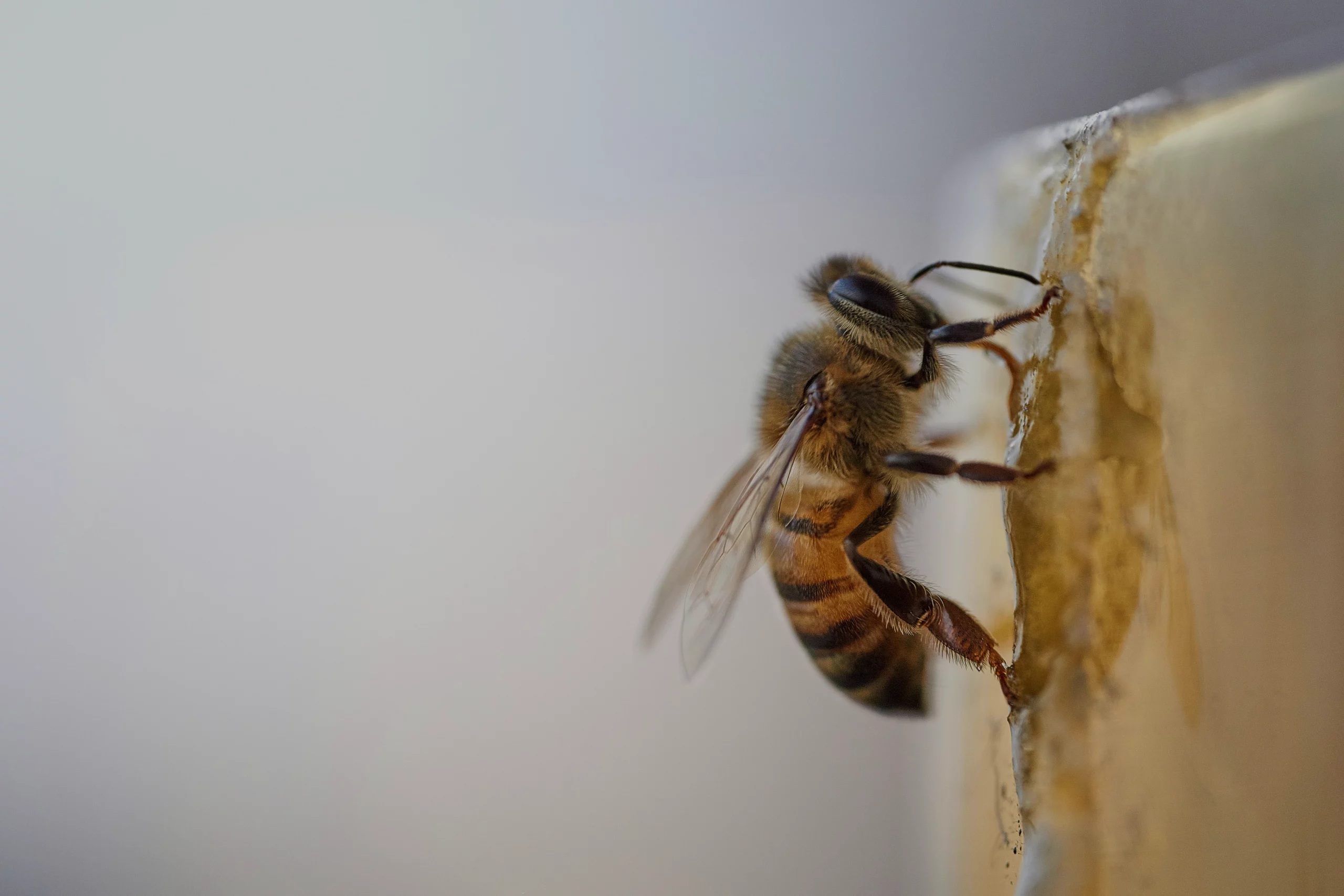
Greek beekeepers continue to honor ancient methods, preserving the purity and integrity of their honey. This dedication ensures that every jar of Greek honey is a tribute to the natural bounty of Greece and the enduring bond between humans and bees.
Why Greek Honey is Exceptional
- Unparalleled Flavor Profiles: Greek honey offers a range of tastes, from floral and herbal to rich and earthy, influenced by the wild thyme, pine, and heather that flourish across the countryside.
- Nutritional Powerhouse: Packed with antioxidants, vitamins, and minerals, Greek honey is as beneficial as it is delicious.
- A Cultural Treasure: Beyond its flavor, Greek honey is a symbol of heritage and a testament to Greece’s commitment to sustainable beekeeping practices.